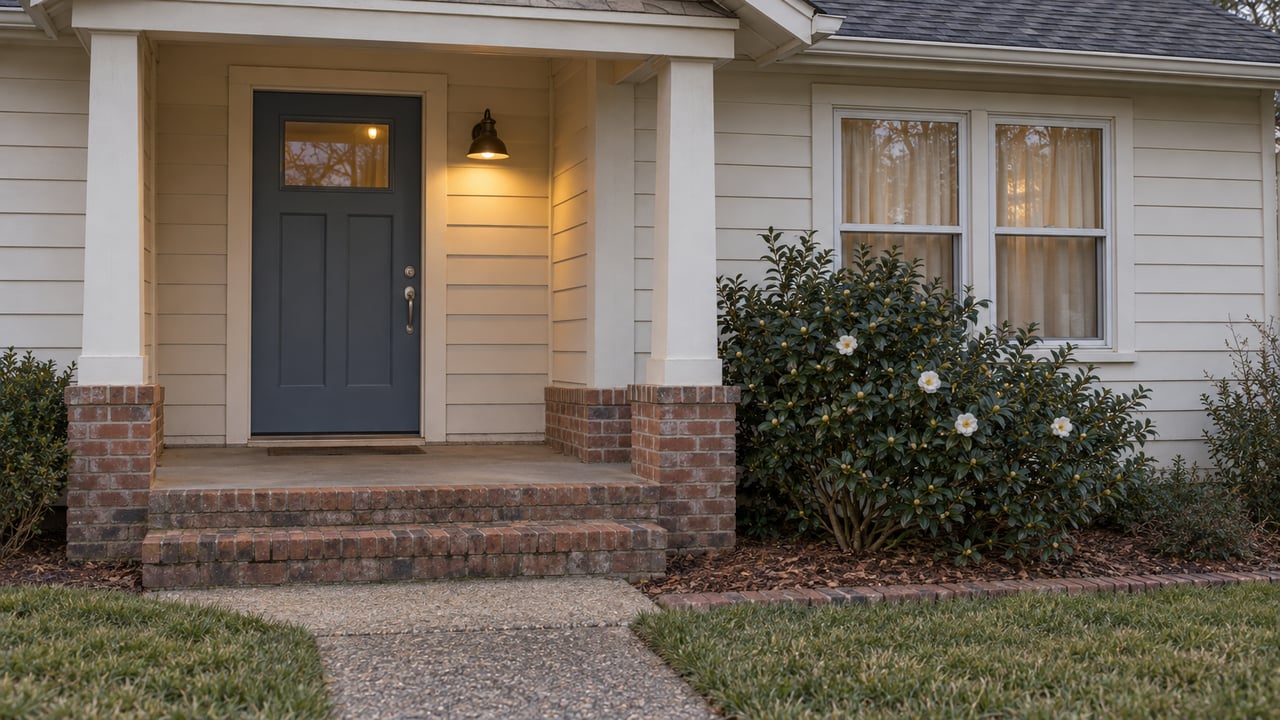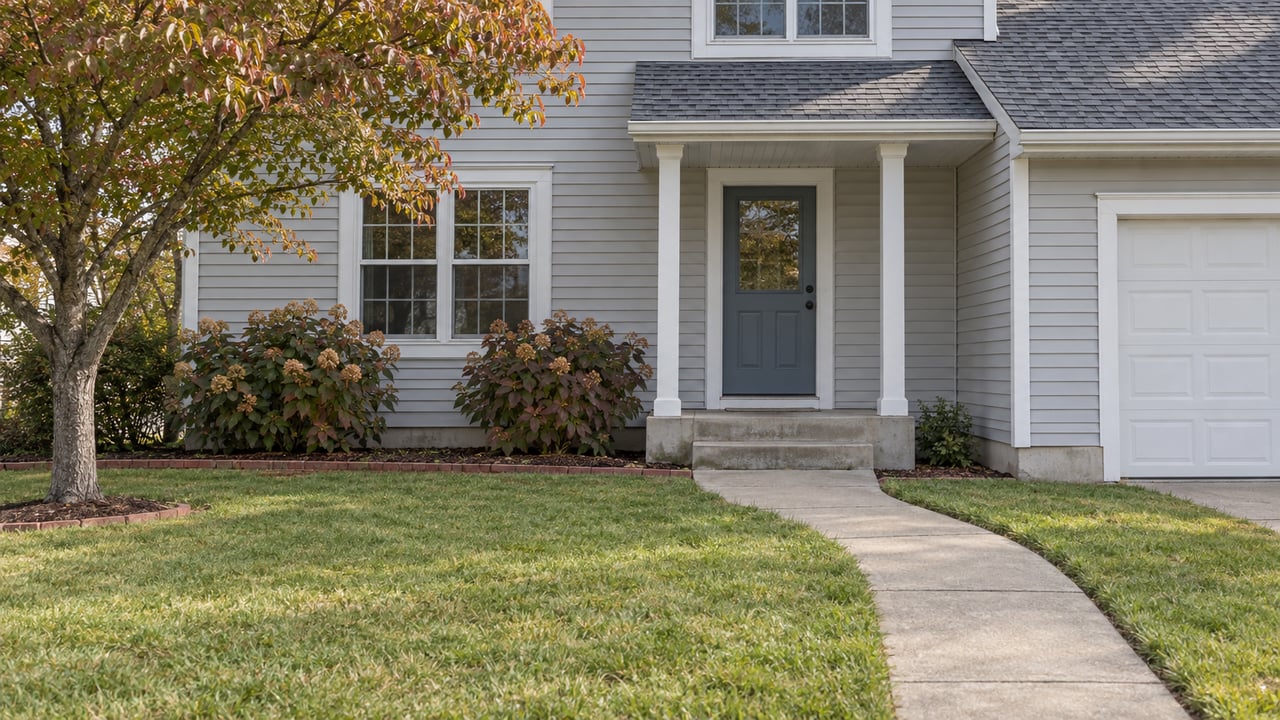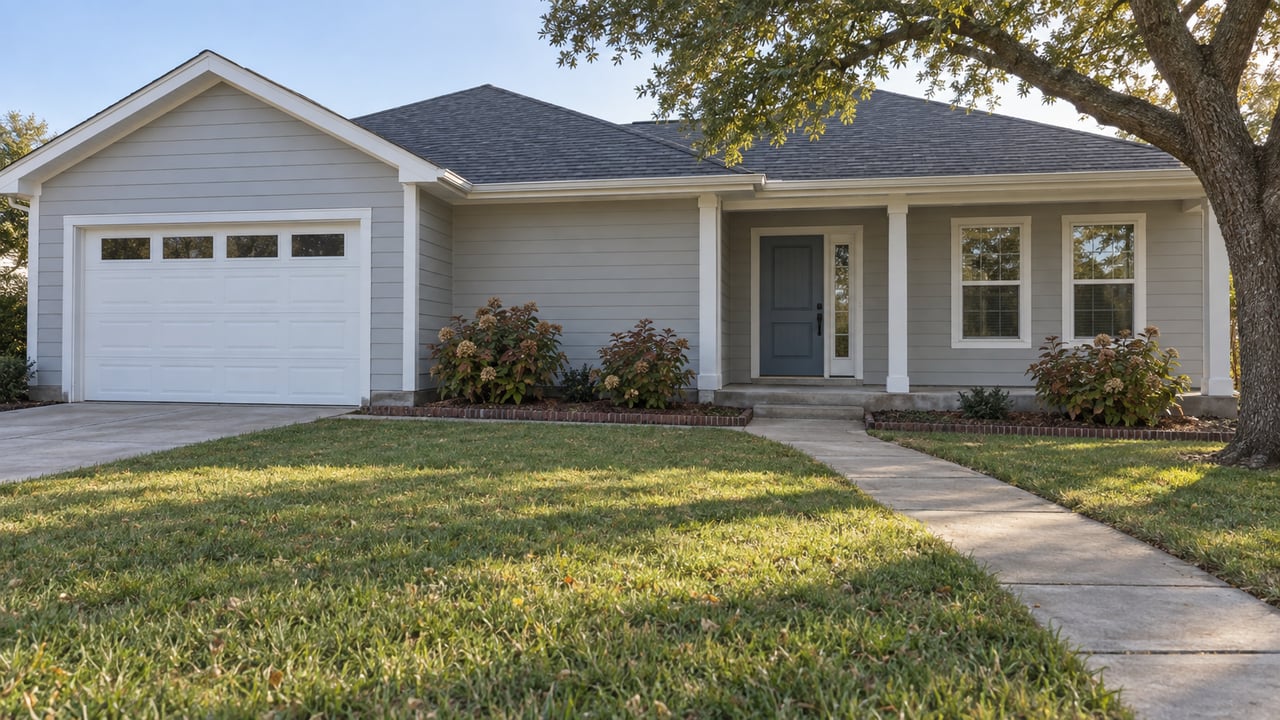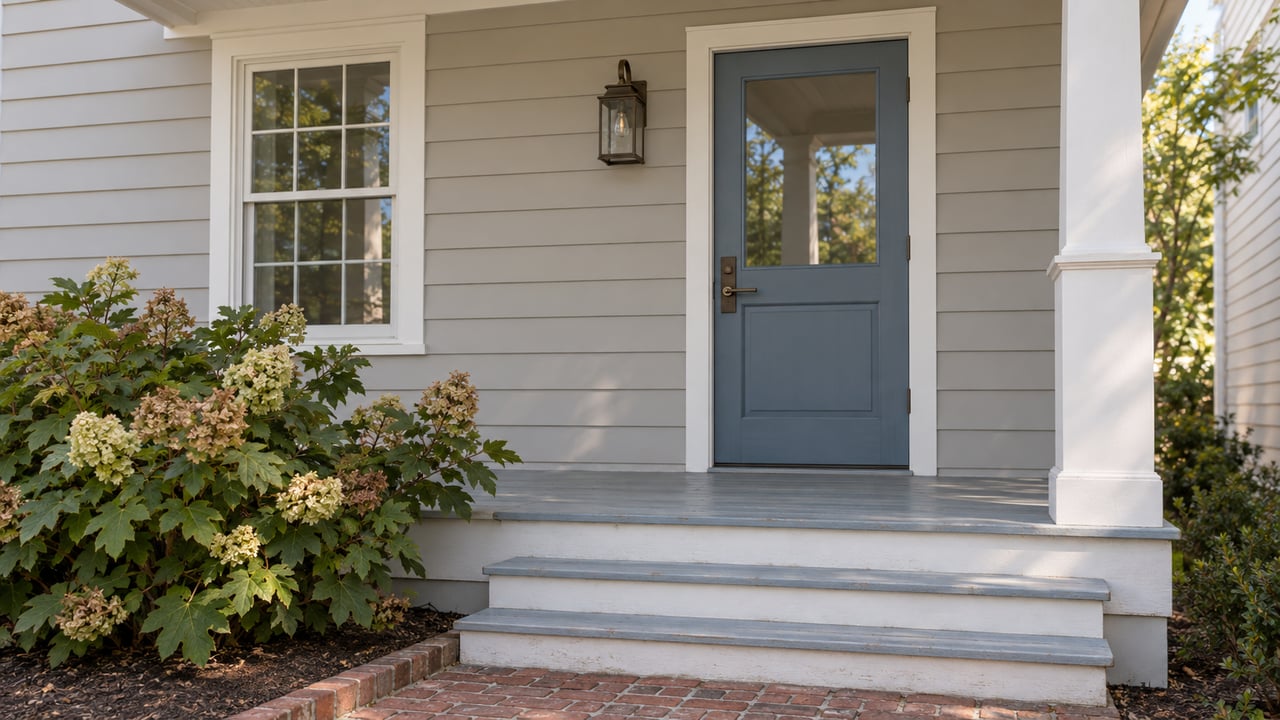
Most Hampton Roads renovation timelines run through one gate: submit plans to the city, wait for a permit, start work. In East Beach, that gate is the easy one. Before a homeowner gets there, the design has to clear a second, private review that has nothing to do with Norfolk's building department and everything to do with a 2003 document most buyers never see until they're already planning the addition.
That document is the East Beach Pattern Book, and it governs far more than new construction. A structured design review process run by a dedicated Town Architect applies to changes on existing homes too, not just the ones still being built on empty lots. For a seller prepping a listing or a buyer plotting a post-close renovation, that single fact changes how a timeline should be built.
The Rulebook Every Renovation Has to Clear
East Beach was never a subdivision that grew organically and picked up an HOA architectural committee along the way. It was designed as a single master-planned neighborhood from the start, with the town planning firm Duany Plater-Zyberk and Company drawing the master plan and Urban Design Associates writing the Pattern Book that translates that plan into rules for individual homes. The city's own planning library lists the resulting document by name: the East Beach Design Guidelines for a Waterfront Neighborhood, credited to Duany Plater-Zyberk & Company, CMSS Architects, and Urban Design Associates in 2003.
That's not a marketing brochure. It's the working reference the Town Architect and design review team use to evaluate every exterior change, whether it's a full addition or a porch rail replacement, against what the neighborhood calls the historical precedents of Tidewater Virginia. A contractor can pull a Norfolk permit for the same project and still get sent back to the drawing board by this review, because the two processes are checking for different things. The city cares whether the structure is safe and code-compliant. The Town Architect cares whether it looks like it belongs.
Four Approved Vocabularies, No Freelancing
The Pattern Book doesn't leave style open to interpretation. Homes in East Beach are built and renovated within four named architectural languages:
- Tidewater Shingle
- Tidewater Colonial
- Tidewater Victorian
- Tidewater Arts and Crafts
Each one comes with its own vocabulary of rooflines, porch details, and materials rooted in the region's building history. A homeowner who wants a contemporary glass addition or a flat-roofed modern extension isn't just fighting an aesthetic preference. They're proposing something outside the four vocabularies the review process was built to enforce, which means the conversation with the Town Architect starts from a different place than it would in a typical HOA architectural review.
This is useful information at the offer stage, not just the renovation stage. A buyer touring a home with an eye toward a specific future addition should know the design has to read as one of these four styles before it can be approved, not simply blend with the block.
The Builder Roster Behind the Design
The Pattern Book doesn't only constrain the design. It has historically constrained who builds it. East Beach homes are described as being crafted by a select group of builders known as the East Beach Guild, working in accordance with the Pattern Book rather than through open bidding. Kirbor Homes' current townhomes and cottage on Pleasant Avenue are a recent example of new product entering the neighborhood under that same design framework, built to the Tidewater architectural language the Pattern Book requires rather than a builder's standard catalog plan.
For a buyer or seller thinking about a major rebuild rather than a renovation, that's a second layer of friction worth knowing about early. The question isn't only what can be built. It's who has standing to build it inside a neighborhood where the builder roster and the design review have been linked since the master plan was written.
Two Reviews, Not One
None of this replaces the City of Norfolk's own permitting requirements. Norfolk's Architectural Review Board reviews exterior alterations, new construction, and some demolition inside the city's locally designated historic districts, issuing a Certificate of Appropriateness when a project is approved. Whether that board's jurisdiction touches a specific East Beach parcel depends on whether the property sits inside one of those designated districts, which is a question worth confirming with the city's planning staff rather than assuming either way, since East Beach was built entirely after 2004 on ground that carries an older redevelopment history.
What's certain is that the Pattern Book review through the Town Architect operates independently of that city process. A homeowner could clear one and still need the other. Sequencing both, rather than assuming a single permit application covers everything, is the difference between a renovation that stays on schedule and one that stalls in the gap between two review bodies that don't report to each other.
What This Costs a Listing Timeline
The monthly HOA due in East Beach, which runs roughly $200 to $500 or more depending on section and property type as of early 2026, funds the amenities that make the neighborhood function day to day: the marina, the pool, the fitness center, beach access, and common area landscaping. It does not fund or replace the design review process. That distinction matters for a seller who assumes a healthy, well-run HOA means a fast architectural sign-off. The HOA and the Town Architect's design review are related but separate systems, and only one of them touches a renovation plan.
For a seller weighing a pre-listing update, the practical move is to treat the design review as its own line item on the calendar, separate from the contractor's bid and separate from the city's permit turnaround. Sellers who assume a bathroom remodel or an exterior repaint can start the week after signing a contractor agreement are the ones most likely to find their listing date pushed by a review step they didn't know existed until the plans came back with questions.
The Trade You're Making When You Buy In
The same review process that adds a step to every renovation is also the reason East Beach looks the way it does. The neighborhood won the Congress for the New Urbanism's Charter Award in 2011 for the most outstanding design and implementation of a master plan in North America, an honor tied directly to the discipline of building consistently to a written pattern rather than letting each lot go its own way. The streetscape of live oak canopies, front porches, and beach walkovers at the end of every north-south street exists because the Pattern Book has been enforced house by house since the first lots sold after Norfolk's 2004 Homarama, which drew 130,000 attendees to the new neighborhood.
Buying into East Beach means buying into that consistency, and the design review is the mechanism that protects it. Anyone planning to renovate, add on, or rebuild should treat the Pattern Book as the first call, not the last one.
A Few Questions Sellers and Buyers Ask
Does the design review apply to a home I'm not building, just updating? Yes. The review covers changes to existing homes as well as new construction, so a renovation on a home built in 2006 goes through the same Town Architect process as a new build on a vacant lot.
Is the Town Architect review the same as the city's historic district review? No. They're separate processes run by separate authorities. City historic-district review may also apply depending on whether the property falls inside a designated district, which is worth confirming with Norfolk's planning staff.
Does the HOA fee cover the cost of getting a renovation approved? No. The monthly assessment funds shared amenities like the marina, pool, and landscaping. The design review process is a separate track tied to the Pattern Book, not a service included in HOA dues.
If you're weighing a renovation before listing an East Beach home, or you're a buyer trying to understand what a future addition would actually require, it helps to talk through the sequencing before the contract is signed rather than after. Coco Hanauer works with East Beach owners and buyers on exactly this kind of timeline planning. Let's Connect.
This article is general information, not legal, tax or financial advice. Consult a qualified professional about your situation.