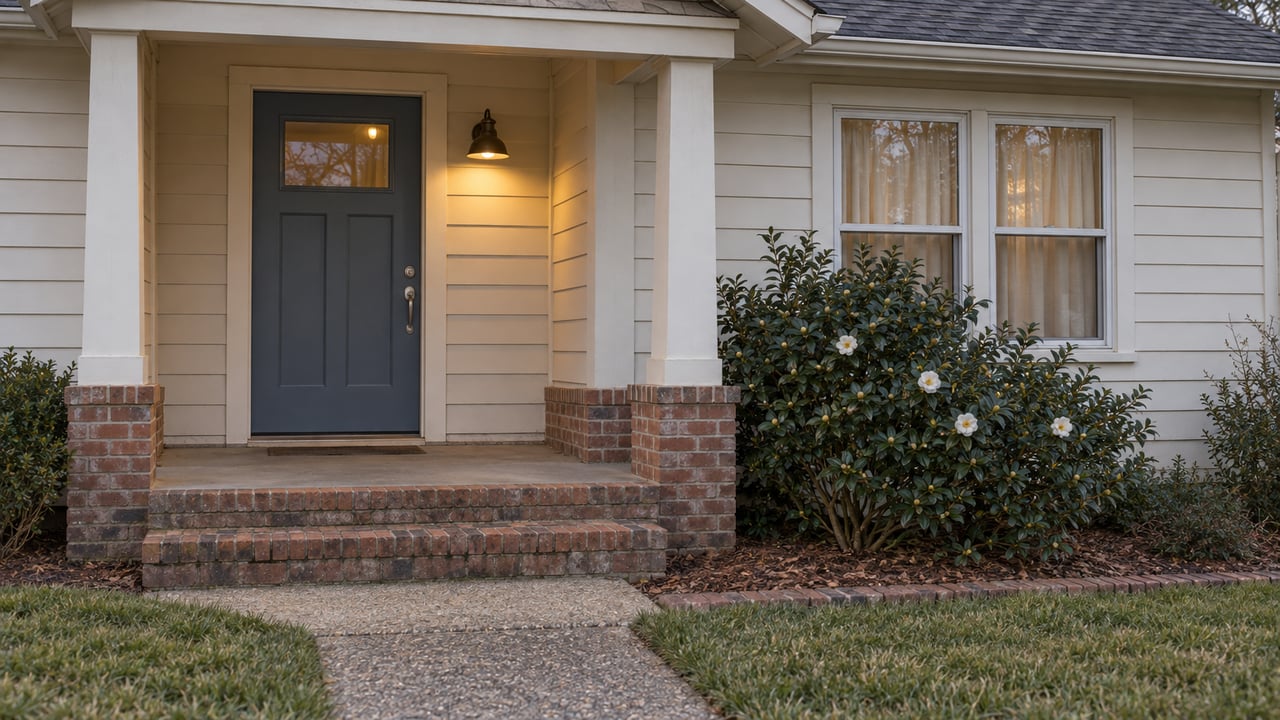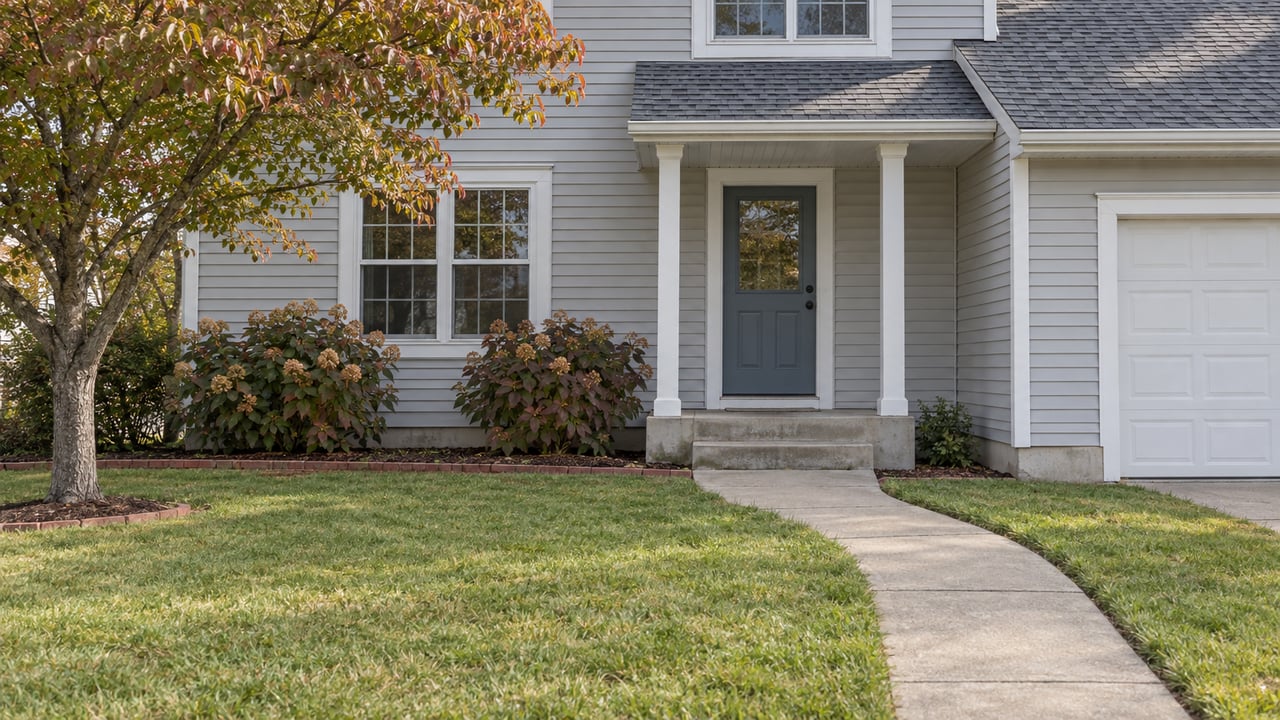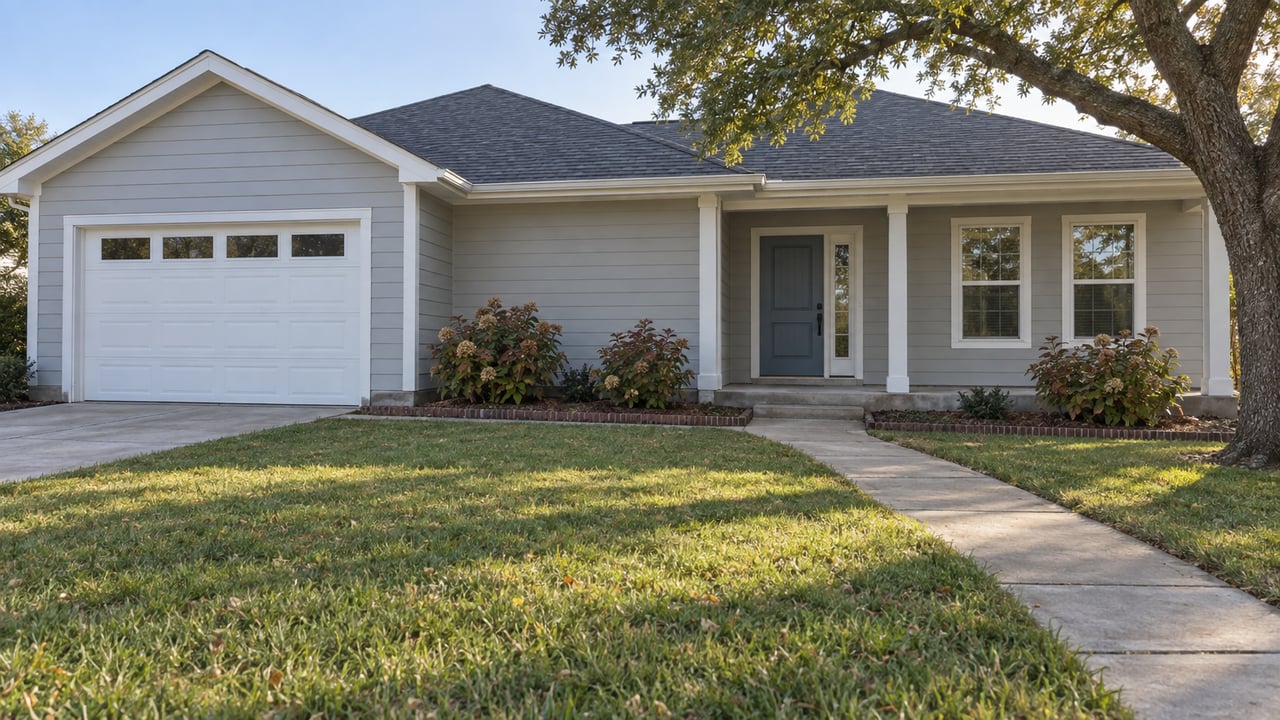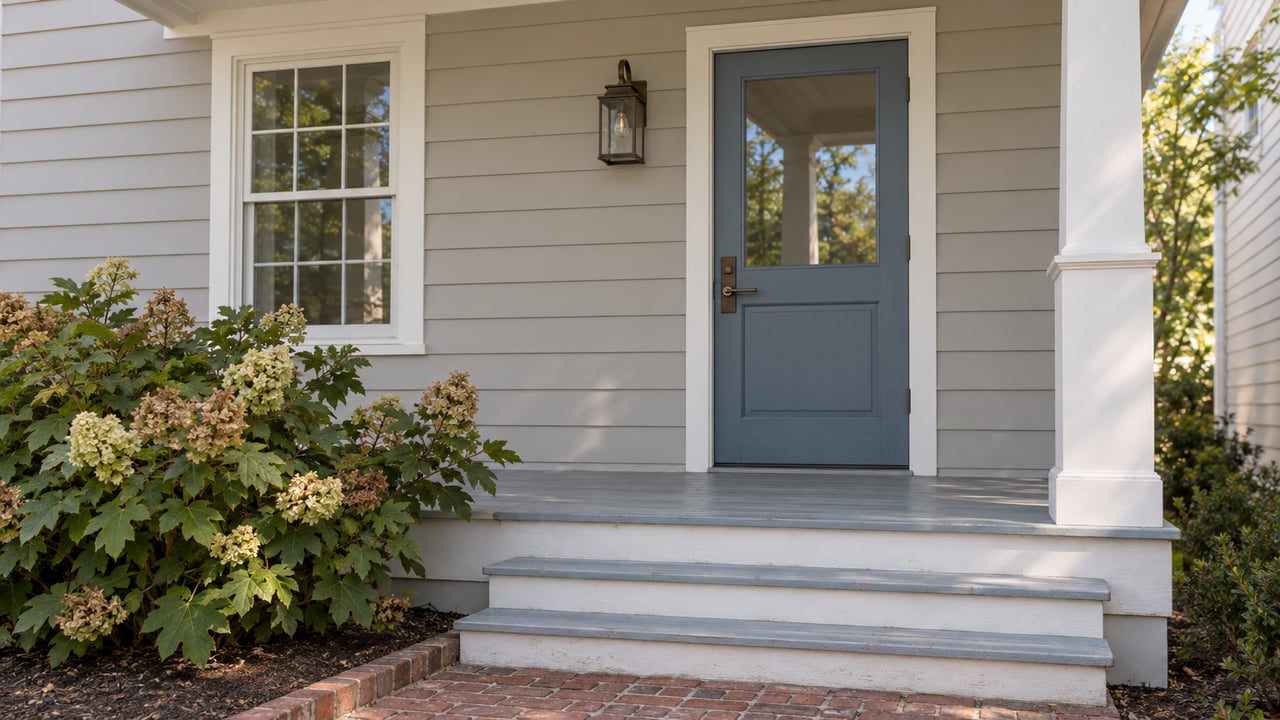
If you own a home in Aragona Village, you may be sitting on more rental potential than you think. Turning a primary residence or former home into a long-term rental can create steady income, but it also comes with real planning, local rules, and ongoing responsibilities. The good news is that with the right strategy, you can make the move with more confidence and less stress. Let’s dive in.
Why Aragona Village Works for Rentals
Aragona Village is an established neighborhood in the Pembroke area of Virginia Beach, with roots going back to development that began in 1955 and continued through 1960. From the start, the subdivision was built as a complete everyday community, with a school, church, park, nearby shopping center, and even its own utility company.
That history still matters today because it helps explain why the neighborhood can appeal to long-term renters. Coco’s Aragona Village guide notes about 7,622 residents, a median age of 39, a walk score of 55, a bike score of 51, some transit access, and nearby shopping, dining, and parks. For an owner, that points to a stable, amenity-rich location that fits everyday rental demand rather than a highly seasonal niche.
Virginia Beach also has a meaningful renter base overall. The city’s 2024 Housing Study estimates about 60,510 renter households, roughly 35% of households, along with about 66,302 rental units and a rental vacancy rate of 4.97%.
That said, citywide numbers are only a starting point. If you want to turn your Aragona Village home into a passive rental, your pricing and strategy should reflect your home’s condition, size, updates, and neighborhood-specific rental comparisons.
Start With Rent Potential
Before you think about leases or management, figure out what your home can realistically command in today’s market. The most useful benchmark is not the citywide median gross rent of $1,431. It is the rent range for similar homes in Aragona Village and nearby parts of Virginia Beach.
That local approach matters because two homes in the same city can perform very differently. A renovated home with updated systems, fresh finishes, and strong curb appeal may support a different price point than a home that still needs work.
When reviewing rent potential, focus on:
- Similar home style and square footage
- Number of bedrooms and bathrooms
- Current condition and recent updates
- Parking and outdoor space
- Access to nearby shopping, dining, parks, and daily conveniences
This is where neighborhood knowledge becomes especially valuable. A local property manager or REALTOR® can help you avoid overpricing, which may increase vacancy, or underpricing, which can leave money on the table.
Prepare the Home Before Listing
A home that rents faster usually feels clean, safe, and ready on day one. Before you market the property, take care of deferred maintenance and repairs that could affect livability or tenant interest.
If your updates require permits, make sure you handle them properly. Virginia Beach’s Permits & Inspections Division administers the Uniform Statewide Building Code and related ordinances tied to health, safety, and welfare.
In practical terms, that means this phase is about more than cosmetic touch-ups. It is your chance to make sure the home is positioned for both marketability and compliance.
A smart prep checklist often includes:
- Fixing visible repair issues
- Servicing major systems as needed
- Checking smoke alarms and safety items
- Refreshing paint or flooring where necessary
- Deep cleaning the home inside and out
- Confirming any required permit-related work is complete
Check Virginia Beach Rental Inspection Rules
One important local step is confirming whether your property falls inside a Virginia Beach Rental Inspection District. The city’s Certificate of Compliance rental inspection program applies in designated districts, and owners of applicable properties must register them.
The inspection fee is $50. If the property passes a clean inspection, you may receive a four-year exemption from the ordinance.
This is not a small detail to skip. If your home is in an applicable district, understanding the requirement early can help you avoid delays once you are ready to place a tenant.
Build the Lease Package Correctly
If you want your rental to feel passive, your paperwork needs to be solid from the beginning. Under the Virginia Residential Landlord and Tenant Act, most residential rentals require a written rental agreement and the state Statement of Tenant Rights and Responsibilities.
Virginia law also requires landlords to keep the premises in a fit and habitable condition. You must also disclose the person authorized to manage the premises, along with owner or contact information as required.
Security deposits have rules too. Under Virginia law, the security deposit cannot exceed two months’ periodic rent.
This part of the process often feels simple until something goes wrong. A well-built lease package helps set expectations early and can reduce misunderstandings later.
Understand What “Passive” Really Means
A passive rental is rarely truly hands-off. What most owners actually want is less daily involvement, not zero responsibility.
Even if you hire help, you still need the property to remain habitable, code-compliant, and properly managed under Virginia law. You are also still connected to core responsibilities like fair housing compliance and proper handling of the security deposit process.
That is why many owners choose full-service management. It can centralize tenant placement, lease administration, repair coordination, inspection follow-up, and owner communication, which makes ownership feel much lighter.
Plan for Fair Screening and Advertising
Tenant screening and marketing should be consistent, documented, and compliant. Virginia Fair Housing Law prohibits discriminatory housing practices, so fair housing should be treated as a basic operating rule from the start.
For owners, that means using neutral advertising language and applying the same screening standards consistently. It also means avoiding informal decision-making that can create risk.
A professional, system-based approach can help you stay organized in areas like:
- Rental application handling
- Income and background review procedures
- Consistent qualification standards
- Recordkeeping and communication
- Neutral property marketing
This protects both your process and your time. It also supports a better experience for everyone involved.
Don’t Overlook Move-Out Accounting
Many rental headaches do not happen at move-in. They happen at move-out.
Under the Virginia Residential Landlord and Tenant Act, security deposits generally must be returned within 45 days after the tenancy ends, and deductions must be itemized as required. If records are incomplete or property condition is not documented well, this step can get messy fast.
This is one reason owners often find professional management worthwhile. Clear documentation, organized communication, and timely accounting can help reduce avoidable mistakes.
How Full-Service Management Helps
If your goal is passive income, management is often the bridge between owning a rental and operating one smoothly. Instead of handling every task yourself, you can shift many daily demands into a more structured system.
For an Aragona Village owner, that may mean support with pricing, marketing, tenant placement, lease coordination, inspection follow-up, repair communication, and ongoing owner updates. The result is not zero involvement, but it is often a much more manageable ownership experience.
That can be especially helpful if you have moved out of the area, have a full-time job, or simply do not want your former home turning into a second job. In a market like Virginia Beach, where there is an established renter base, a strong operational plan matters just as much as the property itself.
A Smart Path for Aragona Village Owners
Turning an Aragona Village home into a passive rental starts with a simple idea: treat it like a business from day one. Price it based on local rental comparisons, prepare it carefully, verify city requirements, build the lease package correctly, and create a clear plan for ongoing management.
Aragona Village offers the kind of established neighborhood setting that can support long-term rental demand, especially for renters looking for everyday convenience in Virginia Beach. If you pair that location advantage with strong preparation and reliable management, your home can become a more predictable income-producing asset.
If you are thinking about converting your Aragona Village home into a rental and want a local, concierge-style plan for pricing, preparation, and ongoing management, reach out to Coco Hanauer to talk through your next steps.
FAQs
What makes Aragona Village a good fit for a long-term rental?
- Aragona Village is an established Virginia Beach neighborhood with nearby shopping, dining, parks, some transit access, and a history as a full-service community, which supports its appeal as an everyday long-term rental location.
How should you price a rental home in Aragona Village?
- You should start with Aragona Village-specific rental comparisons and your home’s condition, using the Virginia Beach median gross rent only as a broad benchmark rather than your final asking rent.
What Virginia Beach rental inspection rules should owners check first?
- You should confirm whether the property is located in a designated Rental Inspection District, because applicable homes must be registered under the city’s Certificate of Compliance program and may require inspection.
What lease documents are required for a Virginia residential rental?
- Most residential rentals require a written rental agreement and the Virginia Statement of Tenant Rights and Responsibilities under the Virginia Residential Landlord and Tenant Act.
What is the security deposit limit for a Virginia rental property?
- Under Virginia law, a landlord generally cannot collect a security deposit greater than two months’ periodic rent.
How long do Virginia landlords have to return a tenant’s security deposit?
- In general, the security deposit must be returned within 45 days after the tenancy ends, with deductions itemized as required by Virginia law.
Is a passive rental really hands-off for Virginia Beach owners?
- Not completely. Management can reduce day-to-day work, but owners still need to make sure the property is habitable, code-compliant, and operated in line with Virginia landlord-tenant and fair housing requirements.