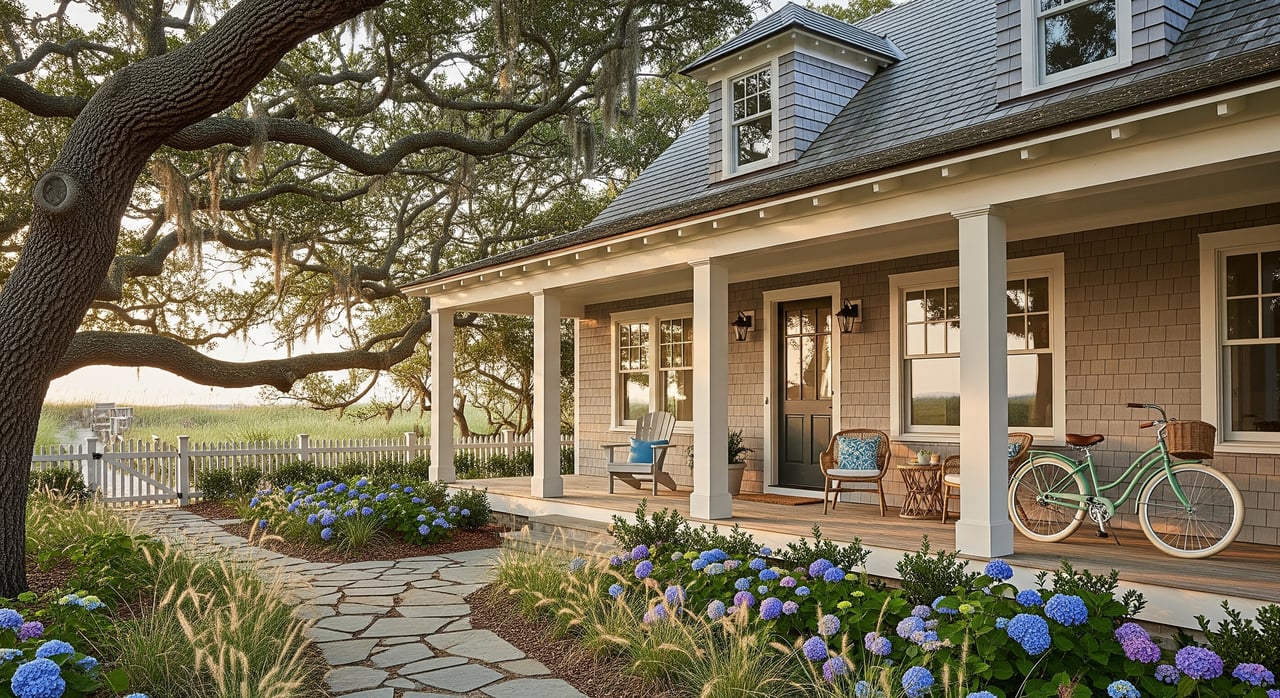
Buying your first home in Aragona Village can feel out of reach when the down payment and closing costs stack up. You are not alone if you wonder how other buyers make the numbers work. The good news is Virginia offers several first‑time buyer programs designed to lower your upfront cash, and many can be paired with smart seller credits. In this guide, you will learn how Virginia Housing assistance works, how to combine it with FHA or conventional loans, and how to structure your offer so your cash to close is as manageable as possible. Let’s dive in.
What first‑time buyer programs cover
Virginia first‑time buyers often use a mix of resources to reduce upfront costs. The most common starting point is Virginia Housing programs, which can pair a primary mortgage with down payment assistance. Buyers also use federal loan options like FHA, VA, USDA, and conventional loans designed for low‑to‑moderate incomes. Some lenders add their own assistance or closing credits, and in some cases local or employer programs can help.
If you are shopping in Aragona Village, the typical stack looks like this: Virginia Housing DPA to cover the down payment, a first mortgage such as FHA or a qualifying conventional program, and seller credits to cover allowable closing costs and prepaids. The right mix depends on your income, credit, loan type, and how quickly you plan to move or refinance.
Virginia Housing basics
First‑time status and occupancy
Virginia Housing often defines a first‑time buyer as someone who has not owned a home in the past three years. Some targeted options and exceptions may apply. Programs require that you occupy the home as your primary residence.
Income and price limits
Most assistance includes household income caps and purchase price limits that vary by location and property type. Your lender will confirm the current limits for Virginia Beach and the program you choose.
Credit, DTI, and property standards
You still need to qualify for the underlying loan. Minimum credit scores, debt‑to‑income limits, and any reserve requirements apply. Properties must meet appraisal and condition rules for the loan type you select, such as FHA standards when using an FHA loan.
Homebuyer education
Many DPA options require a HUD‑approved homebuyer education or counseling course before closing. Plan to complete this early in your process so it does not slow down your timeline.
Documentation you will need
- Recent pay stubs, W‑2s, and tax returns
- Bank statements and asset documentation
- ID for all borrowers and a signed purchase contract
- Proof of completed homebuyer education, if required
- Program forms and certifications provided by your lender
DPA types and what they mean for you
Grants
A DPA grant is a one‑time benefit that does not have to be repaid. Grants are popular because they do not add a second lien. They are usually limited by income, location, or program caps.
Forgivable second mortgages
A forgivable second is recorded as a subordinate lien and is forgiven over time as long as you live in the home. If you sell or refinance before the forgiveness period ends, you repay the remaining balance.
Deferred or repayable seconds
Some programs offer a second mortgage with no payments until you sell, refinance, or stop occupying the home. Others require monthly payments, which is less common for first‑time buyer DPA. Your lender will tell you how the second is treated in underwriting.
Lender credits and seller concessions
A lender credit reduces your closing costs and is often tied to your interest rate or loan structure. A seller concession is a credit from the seller that can pay for allowable closing costs and prepaids. Sellers cannot fund your down payment. Your down payment must come from your funds, approved DPA, or an allowed gift.
Pairing DPA with loan types
FHA plus DPA
FHA is a common pairing with Virginia Housing assistance. FHA allows certain subordinate financing and typically allows seller concessions up to 6 percent of the sale price for allowable costs. DPA can cover your down payment while seller credits cover closing costs and prepaids.
Conventional plus DPA
Conventional loans can also work with HFA assistance. Seller concession limits vary by your down payment: many conventional scenarios allow 3 percent with less than 10 percent down, 6 percent with 10 to under 25 percent down, and 9 percent with 25 percent or more. Check your specific loan terms, since DPA as a second lien can affect mortgage insurance and qualification.
VA and USDA options
Eligible service members and veterans may use VA loans, which typically have no down payment. Seller concessions and assistance are allowed within VA rules, and pairing with DPA depends on program guidance. USDA loans offer no down payment in eligible rural areas and may allow certain subordinate financing. Your lender will confirm local eligibility and stacking rules.
Seller credits in Aragona Village offers
What seller credits can pay
Seller credits generally pay for closing costs, prepaid taxes and insurance, and discount points. They do not fund your down payment. When DPA covers the down payment and seller credits cover costs, your cash to close can drop significantly.
Limits and strategy
FHA commonly allows up to 6 percent in seller concessions. Conventional loans have tiered limits tied to your down payment amount. Ask your lender for your exact cap so you can write a clean offer that fits your loan.
Contract language tips
- State the amount or percentage of seller help and how it will be applied.
- Confirm that concessions are for allowable costs per your loan program.
- Coordinate with your lender on timing so DPA reservations and appraisal windows fit the closing date.
Step‑by‑step plan for Aragona Village
Pre‑offer steps
- Get prequalified with a lender experienced with Virginia Housing loans and DPA.
- Confirm whether you will use a grant or a second mortgage and verify income and price limits.
- Complete homebuyer education early if your program requires it.
- Ask your lender to review seller concession limits for your loan type.
Offer stage
- Verify DPA reservation timing before you write the offer.
- Decide if you will request seller credits and specify how they will be applied.
- Keep your close date realistic to allow for DPA documentation and appraisal.
From underwriting to closing
- Provide all program forms and proof of education to your lender promptly.
- Ensure the appraisal and the property meet your loan’s standards.
- Confirm how the second lien will be recorded and how seller credits will appear on the closing disclosure.
Common timing pitfalls
- DPA paperwork can extend timelines if not started early.
- Some DPA reservations expire if you do not close in time.
- If a seller wants a quick close, be ready to adjust credits or cover a small portion of costs to keep the deal together.
On‑the‑ground tips for older homes
Aragona Village includes many homes that may have age‑related repairs. Budget for a home inspection and possible fixes. If you use FHA, some repairs might need completion before closing. Plan for this in your timeline and discuss repair responsibilities with the seller in your offer.
Example stacking scenarios
- DPA grant plus FHA loan: The grant covers your down payment. You ask the seller for allowable credits to cover closing costs and prepaids. Your cash to close is limited to remaining costs not covered by credits.
- Forgivable second plus conventional loan: A small second mortgage from the HFA covers part of your down payment. You keep the home long enough for forgiveness to apply. Seller credits handle part of your closing costs within conventional limits.
- VA loan plus seller credits: If you are VA‑eligible, you may not need a down payment. You request seller credits for allowable costs and check with your lender about any compatible assistance.
Questions to ask your lender
- Are you approved to originate Virginia Housing loans with DPA in Virginia Beach?
- Which DPA options fit my income and the price point I am targeting?
- Will my DPA be a grant or a second mortgage, and how is it forgiven or repaid?
- What is my seller concession limit for this loan type and down payment?
- What timeline do you need for DPA reservations, appraisal, and closing?
- What homebuyer education is required, and can I complete it online?
Work with a local guide
You deserve a clear plan and a smooth path to closing. With the right mix of Virginia Housing options, DPA, and a well‑structured offer, buying in Aragona Village can be achievable. If you want hands‑on guidance, lender introductions, and a tailored strategy for stacking assistance with seller credits, reach out to a local expert who knows Virginia Beach and first‑time buyer programs inside and out.
Ready to map out your next steps in Aragona Village? Let’s connect with concierge‑level support from Coco Hanauer.
FAQs
What is Virginia Housing and how does it help first‑time buyers?
- Virginia Housing is the state housing finance agency that offers mortgages and down payment assistance, which can reduce your upfront cash when buying in Virginia Beach.
Can seller credits pay my down payment in Virginia Beach?
- No. Seller credits usually cannot be used for your down payment. They can pay allowable closing costs and prepaids, while DPA or your own funds cover the down payment.
Will using DPA raise my interest rate or payment?
- Grants do not add a payment. Some second mortgages are forgivable or deferred without monthly payments but must be repaid if you sell or refinance early. Lender credits may be tied to a slightly higher rate.
Do I still need to meet credit and income rules?
- Yes. DPA lowers cash to close but you must still qualify for the loan, including credit score, debt‑to‑income ratio, and any reserve requirements.
Are DPA programs only for first‑time buyers in Virginia Beach?
- Many target first‑time buyers, often defined as no homeownership in the past three years. Some programs offer exceptions or targeted options for other buyers.
How do seller concession limits work with FHA and conventional loans?
- FHA commonly allows up to 6 percent in seller concessions for allowable costs. Conventional limits vary by down payment, often 3, 6, or 9 percent. Your lender will confirm your exact cap.
Can I use a VA or USDA loan with assistance in Aragona Village?
- VA and USDA loans may allow certain assistance and seller concessions within program rules. Your lender will confirm eligibility and how assistance can be layered.